
In an era where financial stability is pivotal for a secure future, the rise of loans for individuals with bad credit has become a focal point of interest. Bad credit can stem from various factors, such as financial missteps, unexpected medical expenses, or economic downturns. If you liked this write-up and you would like to receive additional data pertaining to online loans for bad credit borrowing costs resource kindly stop by our website. This article aims to present an observational study on the landscape of loans available to individuals with bad credit, shedding light on their characteristics, implications, and borrower experiences.
Defining Bad Credit
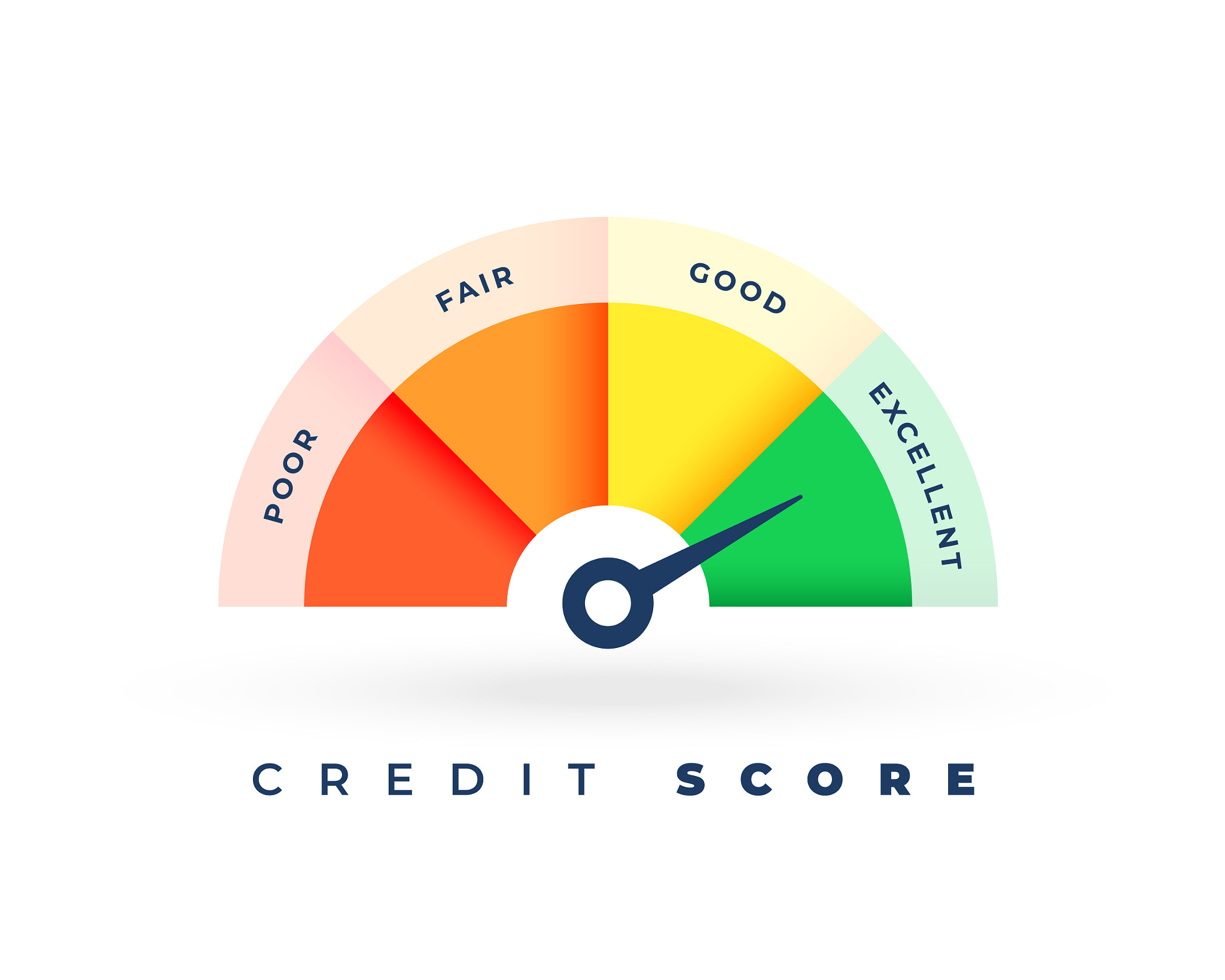
Bad credit generally refers to a credit score below 580 on the FICO scoring model, which can severely limit an individual’s ability to secure loans. Factors contributing to bad credit include missed payments, high credit utilization, and collections accounts. Many lenders view these factors as indicators of financial irresponsibility, leading to higher interest rates or outright rejection for credit applications.
The Loan Landscape for Bad Credit Borrowers
The loan market for individuals with bad credit is diverse, encompassing various products tailored to meet the needs of this demographic. Common types of loans available include:
- Payday Loans: Typically characterized by high-interest rates and short repayment periods, payday loans offer quick cash solutions. However, they can lead to cycles of debt due to their predatory nature.
- Personal Loans: Some lenders focus on providing personal loans to individuals with poor credit histories. These loans often come with higher interest rates and may require collateral.
- Secured Loans: Borrowers with bad credit can also consider secured loans, which require collateral—such as a car or savings account—reducing the lender’s risk.
- Credit Unions and Community Banks: Many credit unions and community banks offer credit-building loans with more flexible approval criteria, designed to help borrowers improve their creditworthiness over time.
- Peer-to-Peer Lending: Platforms like LendingClub and Prosper enable individuals to borrow money from other individuals, bypassing traditional financial institutions. Though interest rates are variable, these loans can be more accessible for those with bad credit.
Borrower Experiences: An Observational Approach
To understand the real-world implications of loans for bad credit, I conducted informal interviews with five individuals who sought loans in varying amounts over the past year. The observations yielded significant insights.
Case Study 1: Mark, a 34-Year-Old Construction Worker
Mark had been struggling with medical bills that resulted in a significant drop in his credit score. Desperate for funds, he applied for a payday loan of $500. «I needed the money fast. I didn’t realize the interest would be over 400%,» he recalled. Mark’s observation highlights a prevalent concern regarding the lack of transparency associated with payday loans, where urgent needs can overshadow fundamental financial principles.
Case Study 2: Linda, a 28-Year-Old Single Mother
Linda sought a personal loan of $1,000 through a credit union aimed at those with bad credit. She mentioned that the interest rate was still high at 22%, but «way better than payday loans.» Her experience underscores the potential benefits of seeking loans through credit unions, which often provide more favorable terms and guidance compared to conventional lenders.

Case Study 3: James, a 45-Year-Old Former Business Owner
James had a strong credit score in the past but faced financial issues that led to a substantial credit score drop. He was able to leverage a secured loan against his car to obtain $3,000. «I knew it was a risk, but I had no other options. It’s been a hassle, but I could manage payments,» he mentioned. His account illustrates the necessity some have to turn to secured loans despite inherent risks.
Case Study 4: Sarah, a 21-Year-Old Student
Sarah needed $3,000 to pay for an unexpected semester at college. She turned to a peer-to-peer lending platform, where she managed to connect with a lender willing to offer a loan with 15% interest. «It felt less judgmental than a bank,» she shared, emphasizing the more personal nature of the peer-to-peer lending process.
Case Study 5: Tom, a 50-Year-Old Retiree
Tom faced challenges in securing credit due to a lengthy period of unemployment. After being turned down by conventional banks, he approached a community bank that offered credit-building loans aimed at assisting individuals in rebuilding their credit. «They didn’t just look at the number. They cared about my story,» he reflected.
The Broader Implications of Loans for Bad Credit
The narratives collected during this observational study illustrate the complex and multifaceted nature of loans for bad credit. Borrowers often find themselves in precarious situations where the urgency for funds can lead to unwise financial decisions. This point raises critical questions about financial literacy and the need for comprehensive education aimed at helping individuals navigate loans, especially in a digital age.
Furthermore, while there are alternatives available outside of predatory payday loans, such as credit unions and community banks, many individuals remain unaware of these options. This gap emphasizes the need for increased outreach and awareness programs that educate potential borrowers about safer lending options.
Conclusion
The landscape of loans for bad credit is a significant area of study that requires both attention and action. The experiences shared by borrowers reveal a need for ethical lending practices and financial literacy initiatives to empower individuals in taking control of their financial destinies. As the economy continues to evolve, understanding the nuances of loans for bad credit will play a vital role in fostering a more inclusive financial ecosystem that serves everyone’s needs, empowering individuals to make informed decisions, and ultimately cultivating financial resilience among those affected by bad credit.