
Introduction
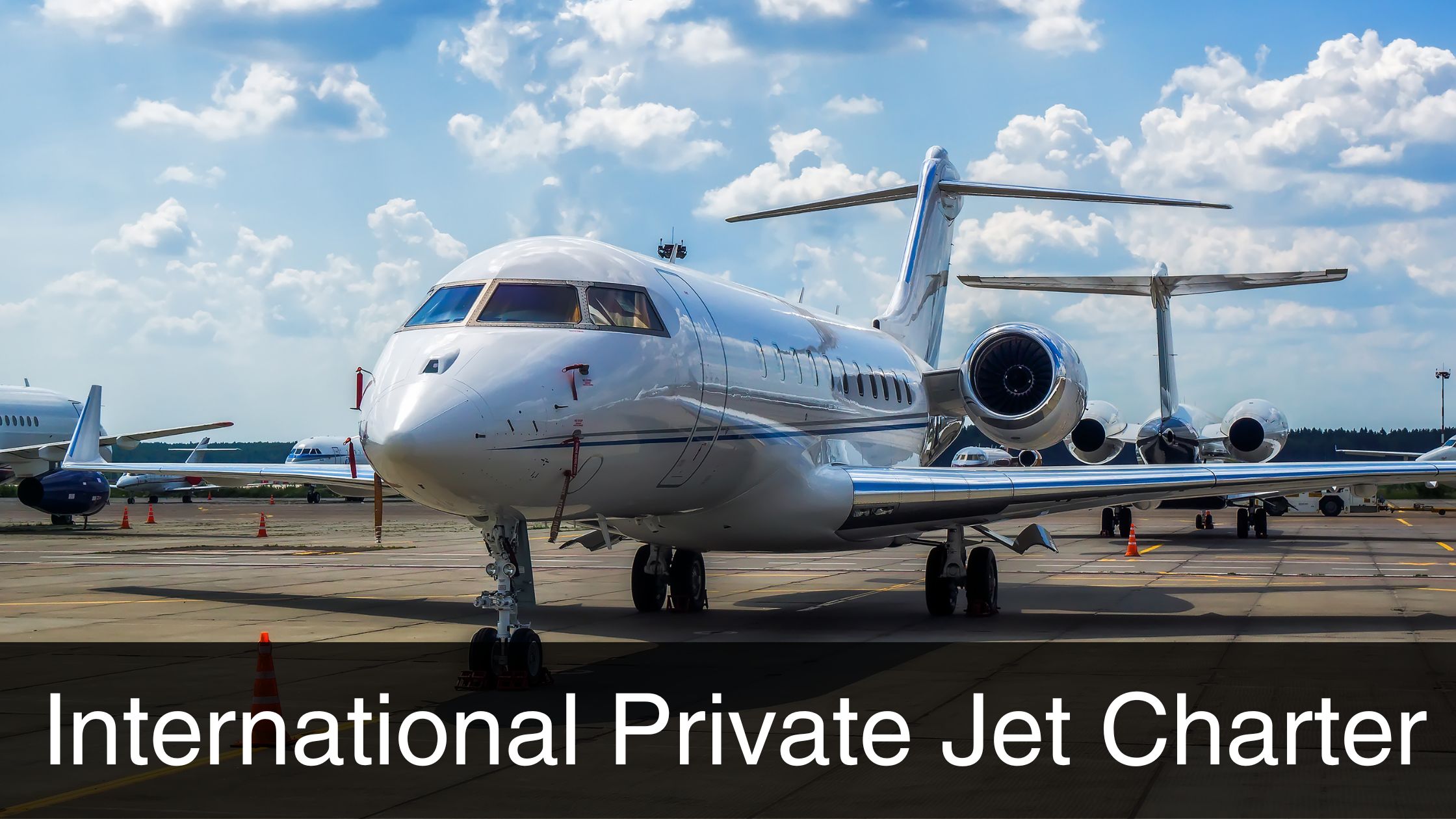
The aviation industry has witnessed important transformations over the previous few decades, with private air travel rising as a prominent segment. Private air travel, often characterized by its exclusivity and comfort, caters to a diverse clientele ranging from enterprise executives to leisure travelers. If you have any type of questions concerning where and exactly how to make use of privatejetscharter, you can call us at our own page. This report delves into the growth of private air travel, its benefits, challenges, and the longer term outlook of this evolving sector.
Progress of Private Air Travel
The private aviation sector has skilled sturdy development, significantly within the wake of the COVID-19 pandemic. In response to the National Enterprise Aviation Association (NBAA), the variety of private flights within the United States surged by over 30% in 2021 compared to 2019, as travelers sought safer and extra environment friendly alternatives to commercial flights. This trend has been echoed globally, with private aviation markets in Europe, Asia, and the Middle East displaying similar patterns of growth.
A number of elements have contributed to the rise of private air travel:
- Elevated Demand for Flexibility: Enterprise travelers value time efficiency and adaptability. Private jets permit for tailored itineraries, enabling travelers to reach a number of locations in a single day with out the constraints of business flight schedules.
- Security and Well being Concerns: The pandemic heightened issues about health and safety in crowded environments, prompting many to go for private journey as a safer various. Private aircraft provide controlled environments with fewer passengers, decreasing publicity to potential health risks.
- Technological Developments: Improvements in aviation expertise have made private air travel extra accessible. The rise of on-demand charter services and fractional possession fashions has lowered the obstacles to entry, allowing extra people and companies to experience private flying.
- Financial Recovery: As economies rebound from the pandemic, businesses are investing extra in travel to reconnect with shoppers and partners. This resurgence in business activity has fueled demand for private air travel.
Advantages of Private Air Travel
Private air travel provides a myriad of advantages that enchantment to each business and leisure travelers:
- Time Effectivity: Private jets can considerably reduce journey time. With entry to 1000’s of airports, travelers can fly nearer to their last vacation spot, avoiding lengthy layovers and airport congestion.
- Comfort and Consolation: Private aircraft provide a excessive level of consolation, with customizable interiors and amenities. Travelers can conduct meetings, calm down, or take pleasure in personalised services during their flight.
- Privateness and Safety: For prime-profile people and company executives, privacy is paramount. Private jets supply a safe atmosphere, permitting passengers to work or talk about sensitive matters without the danger of eavesdropping.
- Entry to Remote Locations: Private aviation enables access to remote or underserved locations that will not be reachable by industrial airways. This functionality is especially useful for companies working in niche markets or individuals searching for unique trip spots.
- Versatile Scheduling: Private air travel permits for final-minute changes in plans, providing unparalleled flexibility. Travelers can modify their departure times and routes based on their needs.
Challenges Facing Private Air Travel
Regardless of its advantages, the private aviation sector faces a number of challenges:
- Regulatory Hurdles: The aviation industry is heavily regulated, and private air travel is no exception. Navigating the complicated internet of regulations, including air site visitors management, customs, and security protocols, will be cumbersome for operators and travelers alike.
- Price Considerations: Whereas private air travel could be extra economical for sure teams, the high operational prices related to owning or chartering a private jet might be prohibitive. Upkeep, gasoline, and crew bills add up, making it less accessible for the common traveler.
- Environmental Considerations: The environmental impact of private aviation has come below scrutiny, significantly in mild of rising issues about climate change. The trade faces pressure to undertake more sustainable practices, together with using sustainable aviation fuels (SAFs) and more efficient aircraft.
- Market Volatility: The private aviation market will be vulnerable to financial fluctuations. Financial downturns, geopolitical tensions, and public health crises can lead to decreased demand for private air travel, impacting operators and repair providers.
- Competition from Business Airways: While private travel presents unique benefits, business airlines are regularly bettering their providers, together with premium choices that compete with private aviation. This competitors can affect market share and pricing for private air travel.
The way forward for Private Air Travel
The future of private air travel appears to be like promising, pushed by a number of traits and innovations:
- Sustainability Initiatives: The industry is increasingly specializing in sustainability, with many operators investing in gasoline-efficient aircraft and exploring different fuels. The adoption of SAFs is expected to play a crucial position in lowering the carbon footprint of private aviation.
- Technological Improvements: Developments in technology, together with electric and hybrid aircraft, are poised to revolutionize private air travel. These innovations promise to boost efficiency and cut back environmental affect.
- Elevated Accessibility: The rise of digital platforms and apps for booking private flights is making air journey more accessible to a broader audience. This democratization of private aviation could lead to increased market progress.
- Concentrate on Customer Experience: As competition intensifies, operators are possible to take a position extra in enhancing the shopper experience. This consists of personalised providers, luxury amenities, and seamless booking processes.
- Regulatory Adaptations: As the trade evolves, regulatory frameworks could adapt to accommodate new technologies and enterprise models, ensuring that private aviation stays a viable and secure choice for travelers.
Conclusion
Private air travel has emerged as a dynamic and growing sector within the aviation industry. With its unique advantages, together with time effectivity, comfort, and privacy, it continues to attract a diverse clientele. Nonetheless, the industry should navigate challenges related to regulation, cost, and environmental impact. As technological advancements and sustainability initiatives shape the way forward for private aviation, the sector is poised for continued progress and transformation, catering to the evolving wants of travelers in an more and more interconnected world.